

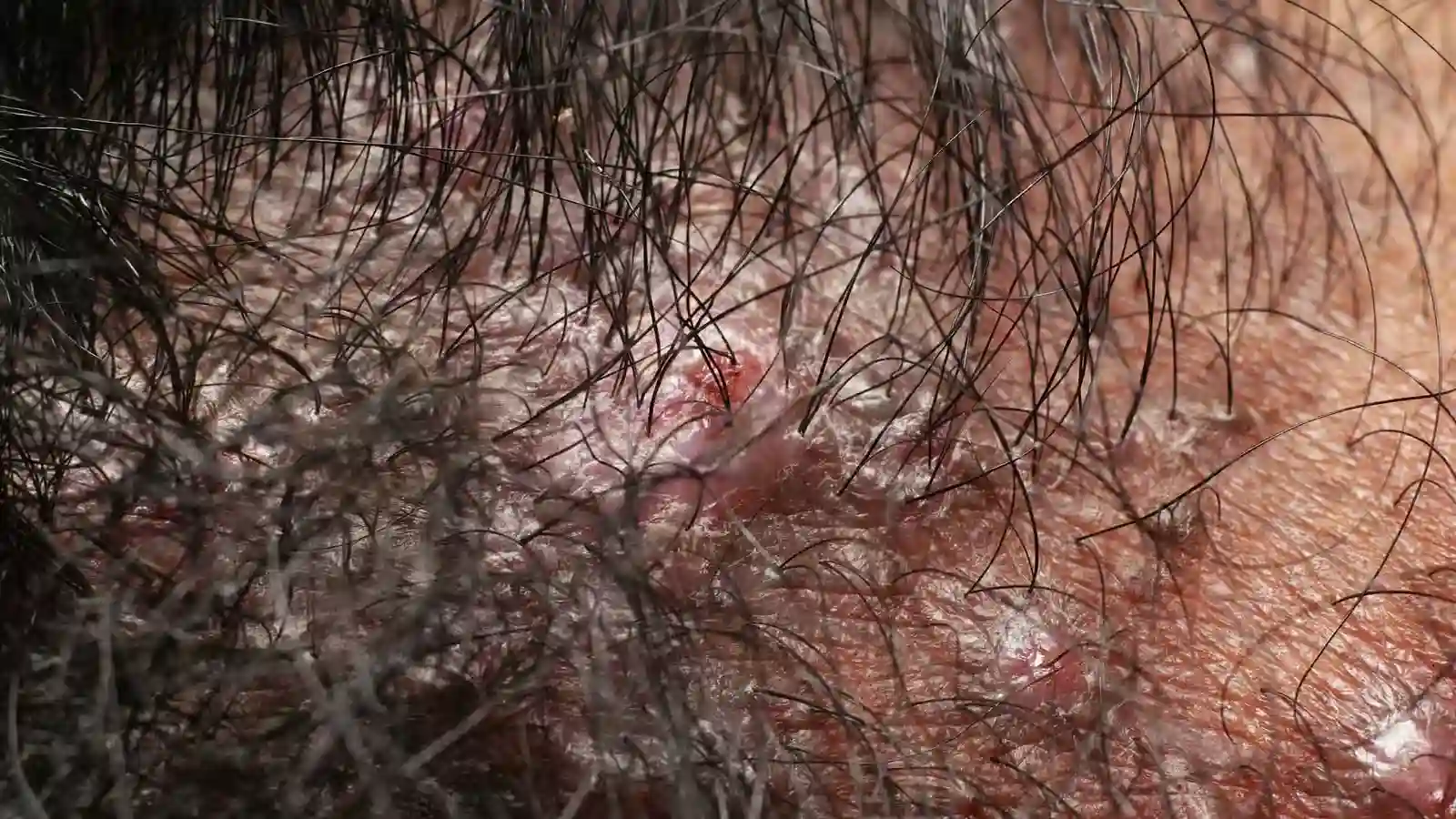
A scalp that burns, stings, or feels tender to the touch, with nothing visible when you actually look, is one of the more confusing and often dismissed complaints in hair and scalp health. No rash, no flaking, no redness, just genuine discomfort that can make touching or even brushing your hair uncomfortable. This is a real, documented condition, not something imagined.
This guide explains what's actually happening, how it connects to hair loss, and what a real treatment approach looks like.
A burning or tender scalp with nothing visible on exam is one of the most under-discussed symptoms I see. It's real, it has a name, and it usually connects back to something happening at the follicle.
Kristy Jarrett, CT Certified Trichologist and Second Generation Hair DoctorWhat's Actually Happening
This condition has a clinical name: trichodynia, also called burning scalp syndrome or scalp dysesthesia. It's defined as pain, burning, stinging, or tenderness of the scalp without any visible skin disease causing it. Research has found trichodynia is strongly associated with telogen effluvium and androgenic hair loss in particular.
The leading theories point to the nerves surrounding hair follicles. One proposes that follicles undergoing active shedding or miniaturization send pain signals to the brain, in a mechanism researchers have compared to phantom limb pain. Another points to elevated levels of substance P, a neurotransmitter involved in pain and inflammation. Stress, anxiety, and tension in the muscles and nerves around the scalp and neck have also been linked to it, though the research here is genuinely mixed rather than settled.
The Key Difference: Visible vs. Not
What separates trichodynia from other scalp conditions is precisely that there's nothing to see. If there's redness, flaking, or visible irritation alongside the burning, that points toward an inflammatory cause instead, like the ones covered in our scalp inflammation guide or scalp eczema guide. A handful of more serious scarring conditions can also cause burning with visible signs, which is part of why a proper look matters before assuming it's trichodynia specifically.
What Actually Helps
Since trichodynia is so closely tied to telogen effluvium and androgenic hair loss, identifying and addressing whatever is driving the hair loss often improves the burning sensation too, rather than treating the discomfort as its own isolated problem.
Research has genuinely linked stress, anxiety, and muscle tension around the scalp and neck to trichodynia symptoms. This doesn't mean the sensation isn't real, it means managing these factors can be a legitimate part of feeling better.
Because there's nothing visible and stress can be a factor, trichodynia sometimes gets dismissed. It's a recognized, researched condition with a physical basis in nerve sensitivity, not something to be waved away.
What a Real Plan Looks Like
A proper evaluation starts by ruling out visible conditions like eczema, folliculitis, or scarring alopecia, then looking closely at whether shedding or thinning is also present, since that connection is often the most useful lead. A clinical scalp assessment can confirm what's actually going on and whether an underlying hair loss cause needs addressing alongside the discomfort itself.
Dealing with scalp burning or tenderness?
A clinical hair and scalp assessment with Kristy looks at the full picture, not just the discomfort in isolation. Virtual and in-person Hair and Scalp Analysis available.
Book Your AnalysisFrequently Asked Questions About Burning Scalp
This is often trichodynia, or burning scalp syndrome, a condition where the scalp feels painful or burning without visible skin findings. It's strongly linked to telogen effluvium and androgenic hair loss.
Yes, research has found a strong association with telogen effluvium and androgenic alopecia, possibly related to follicles sending pain signals during active shedding or miniaturization.
Trichodynia has no visible skin findings at all. Scalp eczema and similar conditions do have visible signs like redness or flaking. Any visible irritation points away from trichodynia specifically.
Yes, stress, anxiety, and depression have been linked to trichodynia in research, and symptoms are often worse during high-stress periods. This doesn't mean the sensation isn't real.
Treatment starts with ruling out an underlying hair loss condition driving the sensation. Stress management and, in some cases, medication have also shown benefit in research.